

Discover how the Commander Style of authoritarian parenting shapes emotional development, and learn research-based ways to balance firm structure with empathy.
Every child’s emotional development is shaped by the environment they grow up in, and at the center of that environment sits the parent-child relationship. Among the many parenting styles identified in developmental psychology, the authoritarian or “Commander Style” remains one of the most widely discussed. Its firm structure and high expectations can bring order to a household, yet its impact on a child’s emotional world is far more complex.
In this blog, we’ll explore how the Commander Style influences children’s emotional development, the strengths and risks associated with it, and how parents can shift toward a healthier balance, without losing their sense of structure or authority. The introduction to the different styles is under my blog How Parenting Styles Shape Your Child’s Emotions
What is the Authoritarian (“Commander”) Parenting Style

Authoritarian parenting is characterized by high control and low emotional responsiveness. In this model, parents act as commanders, issuing directives, setting strict rules, and expecting obedience without negotiation. Love is present, but often expressed through protection and discipline rather than open emotional warmth.
Research shows that while structure is beneficial, children also rely on emotional attunement; being heard, validated, and understood, to build healthy social and emotional skills. When rules outweigh relationships, children can learn to comply, but may struggle to confidently express or regulate their emotions.
Why Parents Choose the Commander Style
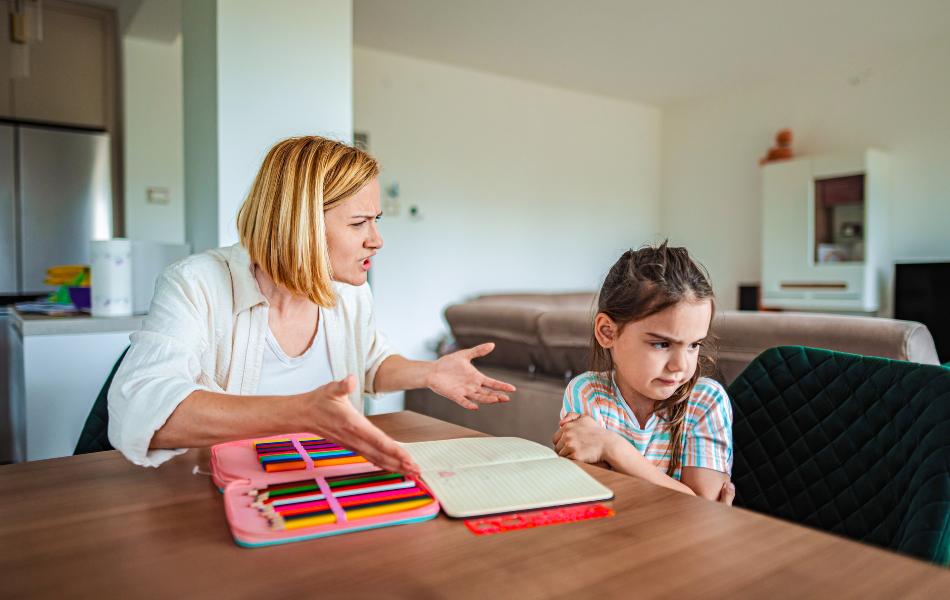
Many parents adopt this approach with good intentions. They want children to grow into disciplined, respectful adults. They may value cultural traditions where obedience and respect are essential. Some feel that giving too much freedom could lead to chaos, entitlement, or risky behavior.
And there are strengths in this style:
- Clear expectations
- Consistent routines
- A sense of safety and predictability
- A strong work ethic
The challenge is not the structure itself; it’s what may be missing alongside it: warmth, flexibility, and emotional connection.
Emotional Development Under the Commander Style
1. Emotional Expression
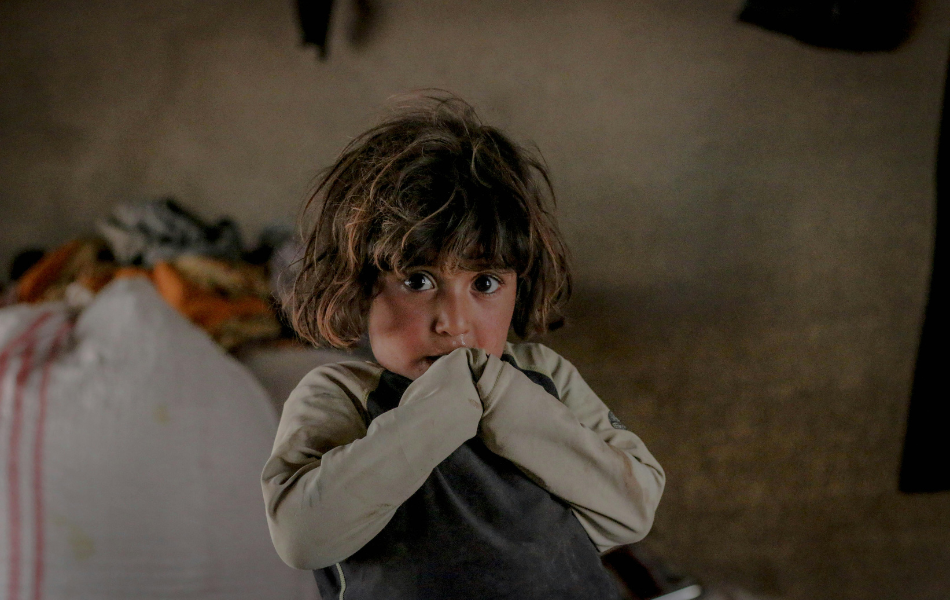
Children raised under strict control often learn to suppress feelings, especially anger, frustration, or disappointment. They may fear consequences for simply having emotions.
Over time, this can lead to:
- Internalized anxiety
- Bottled-up anger
- Difficulty naming or understanding emotions
Giving children space to talk about feelings, even simple prompts like “You seem upset, want to share why?, can significantly soften this effect.
2. Self-Esteem and Confidence
In authoritarian households, praise tends to be scarce while correction is abundant. Children may grow up believing:
- “I’m good when I obey.”
- “I’m bad when I make mistakes.”
This can create self-esteem that depends on meeting external standards rather than feeling internally secure.
Researchers consistently show that children flourish emotionally when they receive balanced feedback, not only when correcting behavior, but also when acknowledging effort, character strengths, and small wins.
3. Decision-Making and Independence
When parents make all decisions, children miss opportunities to practice independence. This can create two extremes:
- Overly compliant children who struggle to assert themselves
- Rebellious children who push back once they gain autonomy
Children need the chance to make choices, even small ones, to build confidence and internal motivation.
4. Social Skills and Relationships
Emotionally suppressed children may grow into adults who:
- Struggle with communication
- Have difficulty setting boundaries
- Avoid conflict
- Become people-pleasers or, on the opposite end, overly rigid
Healthy emotional development requires learning how to navigate feelings in social spaces, not just comply with rules at home.
Signs a Child May Be Emotionally Affected

It’s not always obvious when a child is struggling under authoritarian parenting. Common signs include:
- Fear of disappointing others
- Perfectionism
- Quiet withdrawal
- Emotional numbness
- Difficulty expressing feelings
- Intense guilt after mistakes
Recognizing these patterns early can help parents make small shifts that create big emotional improvements.
Balancing Structure With Emotional Warmth

You don’t need to abandon structure to support emotional development. The most effective approach blends clear expectations with open communication and empathy, a hallmark of authoritative parenting.
Here are a few shifts that make a powerful difference:
- Validate first, correct second.
“Your feelings make sense… now let’s talk about what happened.”
- Involve children in small decisions.
It builds autonomy and reduces power struggles.
- Explain the “why” behind rules.
Children are more cooperative when they understand the reasoning.
- Offer consistent warmth.
A hug, a smile, or a gentle tone does not reduce authority; it strengthens trust.
- Encourage emotional vocabulary.
Books such as “The Color Monster” (available on Amazon) or “In My Heart: A Book of Feelings” can help children identify emotions with ease.
Helpful Tools for Parents

If you’re working toward balancing structure and warmth, the right tools can help:
- Emotion Cards for Kids – Great for teaching emotional awareness. (Available on Amazon)
- Family Routine Charts – Helps maintain structure while giving kids visual autonomy.
- Calming Corner Kits – Items like sensory bottles, soft timers, or breathing boards teach self-regulation gently.
These are simple but effective additions to your parenting toolkit.
When to Seek Professional Guidance
If emotional struggles significantly affect school, social relationships, or daily life, child therapists or family counselors can help. They provide strategies tailored to your child’s age, temperament, and personality, and often help parents find gentler communication patterns without losing structure.
Final Thoughts

Every child deserves a space where discipline and love work together – not against each other. The Commander Style is rooted in care and responsibility, but when paired with empathy and emotional guidance, it becomes a powerful foundation for raising confident, emotionally resilient children.
Small changes; an extra conversation, a softer tone, a moment of listening, can transform the emotional landscape of your home.
| Looking to explore more about your child’s emotional growth? Check out these related articles: How Parenting Styles Shape Your Child’s Emotions Authoritative Parenting: How the Coach Style Builds Emotions Emotionally Enriching Stories: With Characters and Animals Emotional Development Milestones in Children Teaching Emotional Literacy to Children |
Recent Posts
Explore permissive parenting’s impact on emotional development, its strengths, hidden risks, and how to build loving boundaries that raise resilient children. Every parent wants a peaceful home....
Authoritative Parenting: How the Coach Style Builds Emotions
Discover how the authoritative “coach” parenting style boosts emotional growth, resilience, confidence, and healthy communication through guidance and support. Emotional development forms the...