
Explore permissive parenting’s impact on emotional development, its strengths, hidden risks, and how to build loving boundaries that raise resilient children.
Every parent wants a peaceful home. For many, that desire quietly shapes how they respond to their children’s emotions, conflicts, and needs. In the landscape of parenting styles, permissive parenting is often called the Peacekeeper approach, warm, loving, and deeply invested in a child’s happiness, yet hesitant to enforce limits. It comes from a beautiful place: the wish to protect a child from distress. But emotional development, like physical development, needs both comfort and structure to truly thrive.
In this article, we’ll explore how permissive parenting shapes a child’s emotional world, where its strengths lie, where it can quietly undermine resilience, and how parents can keep their warmth while adding the structure children actually need.
The Peacekeeper Approach: What Is Permissive Parenting?

Permissive parenting is defined by high emotional responsiveness and low demands or boundaries. These parents are affectionate, attentive, and involved, but often avoid saying no, enforcing rules, or allowing their child to feel uncomfortable. Children in these homes usually have a lot of freedom in decisions about sleep, screens, food, schoolwork, and routines.
Common signs of permissive parenting include:
- Few consistent rules or consequences
- Negotiating or giving in when a child protests
- Avoiding conflict or emotional meltdowns
- Letting the child lead most decisions
Unlike authoritative parenting (which blends warmth with structure), permissive parenting prioritizes emotional comfort over long-term skill-building.
Why So Many Loving Parents Become Peacekeepers

Most permissive parents are not “too soft.” They are often deeply empathetic, emotionally aware, and determined to avoid repeating harsh or authoritarian patterns from their own childhood. Some are exhausted, overstimulated, or overwhelmed by modern parenting pressure. Others worry that boundaries will harm their relationship with their child or damage their child’s self-esteem.
In a culture that increasingly equates good parenting with keeping children happy, it’s easy to confuse reducing distress with building emotional health. But these are not the same thing.
The Emotional World of a Child Raised Without Enough Boundaries

Children raised by Peacekeeper parents usually feel deeply loved, accepted, and emotionally safe with their parents. That is a real and meaningful strength. However, the lack of consistent boundaries can create a quiet emotional burden.
Without predictable limits, children often:
- Feel unsure where the edges are
- Become overwhelmed by too much choice and responsibility
- Struggle to regulate frustration and impulses
- Feel anxious when the world doesn’t adapt to them the way home does
Paradoxically, boundaries don’t make children feel trapped; they make them feel secure. Structure tells a child, “Someone is strong enough to take care of this.”
The Real Strengths of Permissive Parenting

It’s important to say this clearly: permissive parenting is not all bad. In fact, it has some powerful emotional advantages.
Children in these homes often:
- Feel deeply emotionally connected to their parents
- Are comfortable expressing feelings
- Feel heard and valued
- Show creativity, openness, and individuality
Many grow up with a strong sense that their emotions matter, which is a beautiful foundation. The challenge is that emotional expression alone is not the same as emotional regulation.
The Hidden Long-Term Risks

Research in developmental psychology consistently shows that children need both warmth and structure to develop strong emotional regulation skills. When structure is missing, children may struggle with:
- Frustration tolerance
- Delayed gratification
- Coping with disappointment
- Respecting limits and authority outside the home
- Self-discipline and persistence
Over time, this can show up as anxiety, emotional reactivity, low resilience, or difficulty functioning in school, relationships, and work environments that don’t bend around their needs.
What These Children Often Struggle With as They Grow

As children raised in permissive homes enter school and social systems, the contrast can be jarring. Teachers, peers, and workplaces operate on rules, limits, and shared expectations.
These children may:
- Feel unfairly treated when rules apply to them
- Struggle with peer conflict and compromise
- Have difficulty self-soothing when upset
- Expect flexibility that the world can’t offer
None of this means they are broken. It means they were not given enough chances to practice emotional strength when the stakes were small.
Shifting from Peacekeeper to Emotional Guide
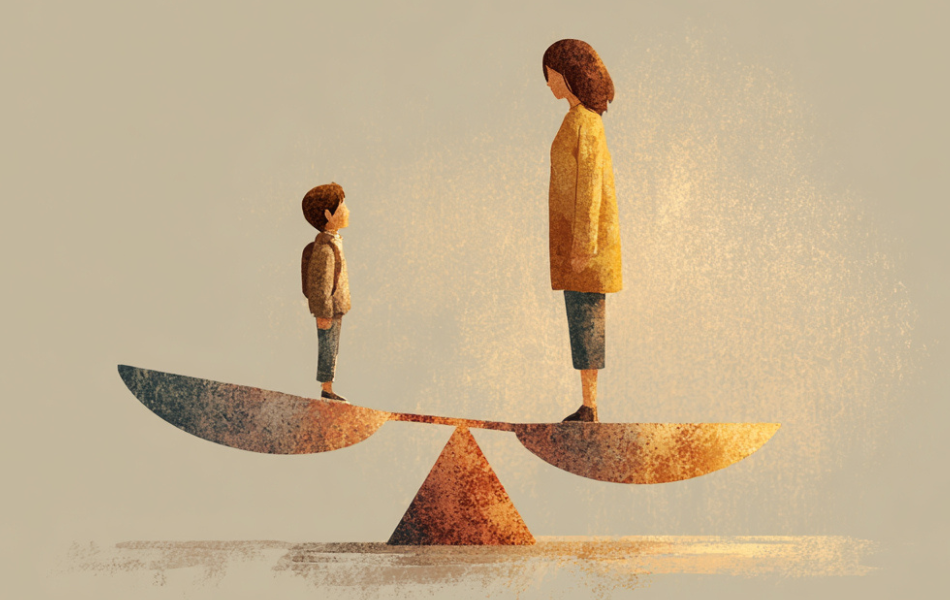
The goal is not to become strict or cold. It’s to become a calm, steady emotional leader.
This means:
- Setting limits with empathy
- Allowing children to feel disappointed without rescuing them
- Holding boundaries even when emotions are big
- Staying emotionally present while staying firm
For example:
“I know you’re upset that screen time is over. It’s okay to be mad. The rule is still the rule. I’m here with you.”
This teaches two crucial skills at once: emotions are safe and limits are real.
Practical Tools That Actually Help
If you lean toward permissive parenting, these tools can help you build structure without losing warmth:
- Consistent routines: Predictability reduces emotional chaos.
- Clear expectations: Say them before problems happen.
- Emotion coaching: Name and validate feelings, but don’t remove the boundary.
- Repair without reversal: You can comfort your child without undoing the limit.
Two excellent, research-based books that many parents find helpful (both available on Amazon) are:
- The Whole-Brain Child by Daniel Siegel & Tina Payne Bryson
- No-Drama Discipline by Daniel Siegel & Tina Payne Bryson
For parents struggling specifically with boundaries, Boundaries with Kids by Dr. Henry Cloud and Dr. John Townsend is another strong, practical resource.
The Real Goal: Warmth and Structure Together

Decades of research show that authoritative parenting; high warmth, high structure; produces the best long-term outcomes for emotional health, resilience, and self-regulation.
Peace does not come from avoiding conflict. It comes from teaching children how to move through hard emotions safely.
Children don’t need a parent who keeps life easy. They need a parent who helps them become strong.
Conclusion: Raising Emotionally Strong, Not Just Happy Children

The Peacekeeper approach is rooted in love. That love is not the problem. The invitation is simply to pair that love with leadership.
When parents move from “protecting my child from discomfort” to “teaching my child how to handle discomfort,” they give their children something far more valuable than constant happiness: emotional strength, confidence, and resilience.
And that is a gift that lasts a lifetime.
Discover how different parenting styles influence your child’s emotional growth and learn practical strategies to help them regulate emotions effectively.
Recent Posts
Discover how the Commander Style of authoritarian parenting shapes emotional development, and learn research-based ways to balance firm structure with empathy. Every child’s emotional...
Authoritative Parenting: How the Coach Style Builds Emotions
Discover how the authoritative “coach” parenting style boosts emotional growth, resilience, confidence, and healthy communication through guidance and support. Emotional development forms the...